
AI Transforming Digital Marketing in New Era
I still remember the week a client asked me why her competitor's product pages kept showing up in ChatGPT answers before hers did. That question changed how I plan every campaign I run now. AI isn't a future trend I'm watching from the sidelines; it's sitting inside my daily workflow, from the way I research keywords to the way I write ad copy at 11 p.m. before a launch.
In this piece, I want to walk you through what's actually changed, what hasn't, and where I think fashion and D2C brands in India should be putting their energy right now. No hype, no buzzwords, just what I've seen work.
What Is AI Actually Changing in Digital Marketing?
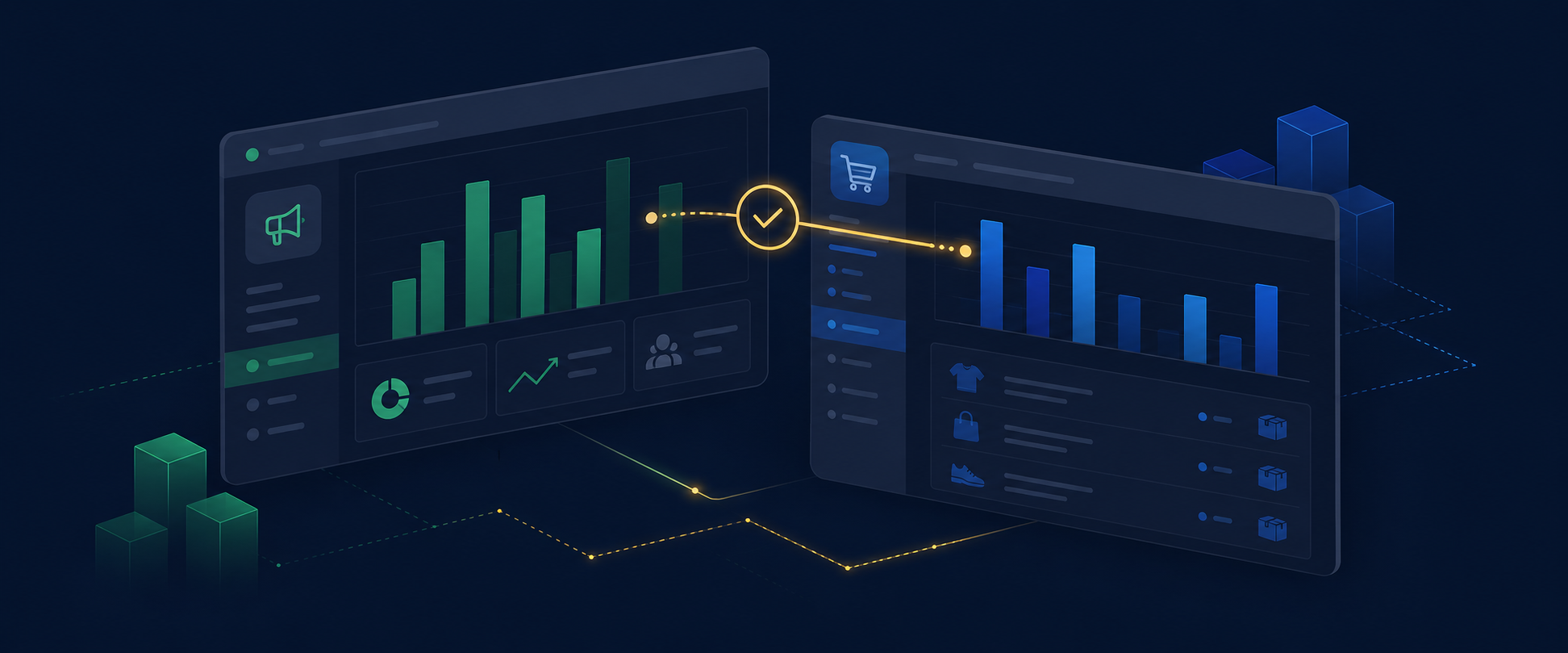
AI is changing the speed and precision of decisions, not the fundamentals of good marketing. Strategy, brand voice, and understanding your customer still matter more than any tool. What's different is how fast I can test an idea, how deeply I can understand search behavior, and how personalized I can make a message without hiring ten more people.
A few years ago, running a full performance marketing agency engagement meant weeks of manual audience testing. Now I can model dozens of audience segments before lunch. That doesn't replace judgment; it just means I spend less time on grunt work and more time on strategy.
How Is AI Used in SEO and Content Marketing?
AI helps me research faster, structure content better, and catch gaps a human eye might miss on a tight deadline. As a Fashion SEO agency, my team uses AI tools to scan search intent patterns, cluster keywords, and flag content gaps across a client's site in minutes instead of days.
But here's what AI still can't do: it can't tell you why a customer in Hyderabad searches differently than one in Gurugram, or why a certain phrase feels off-brand for a luxury label. That judgment comes from experience, not a model.
How Is AI Changing Fashion Marketing Specifically?
For fashion brands, AI is mostly changing personalization and visual discovery. Shoppers now expect product recommendations that actually reflect their style, not generic "customers also bought" lists. AI-driven tools help brands deliver that without a huge internal data team.

Some of the shifts I've watched play out with clients:
-
Visual search: customers upload a photo and find similar products instantly
-
Predictive sizing: fewer returns because AI flags likely fit issues before checkout
-
Trend forecasting: spotting a rising silhouette or fabric trend weeks before it peaks on social
-
Dynamic ad creative testing dozens of image and copy combinations automatically
This is where a good Fashion marketing Agency earns its keep, knowing which of these tools actually move revenue versus which ones just look impressive in a pitch deck.
Does AI Replace the Need for a Marketing Team?
No. AI replaces repetitive tasks, not relationships or judgment. I've never seen an AI tool build genuine trust with a client, negotiate a brand partnership, or catch a cultural nuance that would make a campaign miss its mark in a specific Indian market.
"AI gives me more hours in the day. It doesn't give me better instincts those still have to come from actually knowing the industry."
How Do Traditional and AI-Powered Marketing Compare?
Here's a simple breakdown of what changes and what stays the same when AI enters the picture:
|
Factor |
Traditional Marketing |
AI-Powered Marketing |
|
Keyword research |
Manual, spreadsheet-heavy |
Pattern-based, faster clustering |
|
Ad testing |
Few variants, slow iteration |
Dozens of variants, rapid iteration |
|
Personalization |
Broad customer segments |
Individual-level recommendations |
|
Content production |
Fully manual drafting |
AI-assisted drafting, human editing |
|
Reporting |
Manual pulls, delayed insight |
Near real-time dashboards |
|
Strategy and brand judgment |
Human-led |
Still human-led |
The table makes it obvious AI speeds up execution. It doesn't replace the thinking behind the strategy.
Should Every Digital Marketing Agency Be Using AI by Now?
Yes, at least for the operational side of the work. Any Digital Marketing Agency still doing keyword research or reporting entirely by hand in 2026 is leaving time and insight on the table. That said, AI adoption without a clear strategy behind it usually just produces more content faster, not better content.
I've reviewed plenty of AI-generated blog posts and ad copy from other agencies that read exactly like what they are: generic, unfocused, and forgettable. The brands that win are the ones pairing AI's speed with a real point of view.
Key Takeaways
-
AI speeds up research, testing, and reporting it doesn't replace strategy or brand judgment
-
Fashion brands benefit most from AI in visual search, sizing, trend forecasting, and dynamic creative
-
A good performance marketing agency uses AI to test faster, not to skip strategy
-
Traditional marketing skills (voice, positioning, relationships) still decide long-term success
-
Blind AI adoption without a clear plan tends to produce generic, forgettable content
Where Does This Leave Fashion and D2C Brands?
I'd rather end with a plain thought than a big prediction: AI is a tool, and tools only matter if someone skilled is using them. That's really the whole story here.
If you're running a fashion or D2C brand and trying to figure out where AI actually fits into your marketing and where it doesn't, that's exactly the kind of conversation I have with clients every week at Code to Couture. Reach out if you'd like to talk through where your brand stands.
Frequently Asked Questions
Is AI making SEO less important?
No, AI is making SEO more important. Search engines and AI assistants both reward clear, well-structured, genuinely useful content the core of good SEO hasn't changed.
Can small fashion brands afford AI-powered marketing tools?
Yes. Many AI tools now come at price points that fit small and mid-sized brands, especially compared to the cost of building an in-house data team from scratch.
Will AI eventually write all marketing content?
It's unlikely for brands that care about standing out. AI can draft and speed up production, but a human still needs to shape voice, catch errors, and make sure the content actually reflects the brand.
How is AI changing paid advertising for fashion brands?
AI is mainly changing ad testing speed and audience targeting precision, allowing brands to test far more creative variations and reach narrower audience segments than manual methods allow.
Should I hire an agency or build an in-house AI marketing team?
It depends on your scale. Early-stage brands usually get more value from an agency that already has the tools and experience in place, rather than building and training an internal team from zero.